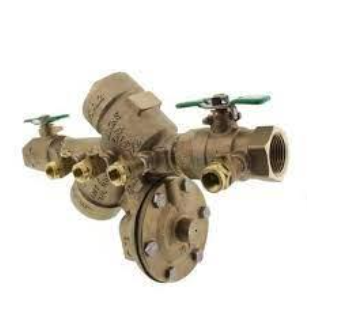
Your water supply is protected from contamination by backflow prevention devices, or backflow preventers, which will eventually wear down or break just like anything else.
Below is a list of some common warning signs that your backflow preventer may be malfunctioning. If you notice any of these warning signs, call a certified backflow tester immediately for help.
What Is a Backflow Preventer and What Is Its Purpose?
The purpose of a backflow preventer is to create a clean, fresh, safe water supply, as opposed to a contaminated one with backflow. There are several types of backflow preventers, including:
- Double check valve
- Reduced pressure zone
- Pressure vacuum breaker
Although there are subtle differences between these devices, the purpose of each is to allow only a one-way flow of water. Water flows through the backflow preventer to schools, buildings, homes, and businesses. Once the water completes its travel through the plumbing system, the check valve(s) close to block any liquid from flowing backward into the potable water supply. This prevents bacteria, dirt, and many other contaminants from entering the water supply, which should be sanitary.
Common Issues Produced Because of a Damaged Backflow Preventer
Water Leaks
Backflow preventers, like all pieces of equipment, will wear out over time. Therefore, you can expect that there will be occasional leaks from your backflow preventer. There are many reasons for a leak to occur; however, commonly, old rubber parts can crack or shift and allow for very small amounts of water to leak out of the backflow preventer.
Many people think they can replace the rubber parts; however, if you do not have a backflow testing kit, then you will not know for sure that you did the repair correctly. Even when you think you installed the rubber seals correctly, you may not have, and if you are off by only a fraction of an inch, you could do tremendous damage to your system and to the municipal water supply. In addition, most municipal water authorities require that all backflow prevention devices be inspected by a certified tester after any repairs, in addition to the required inspection at least annually.
A leak could also be caused by corroded valve parts; in that case, they would need to be replaced. If you notice a lot of water flowing through the valve, then it is likely that the relief valve is blocked with some type of debris.
Low Water Pressure
Changes in water pressure are a common indicator of a malfunctioning backflow device. Changes in water pressure often occur as a result of defects at the point of opening of any of the valves. This is especially true when the water quality in your area is poor. Also, debris could have clogged or damaged the backflow preventer or strainer; for example, a small rock could prevent the proper function of the backflow preventer or strainer.
Cloudy or Discolored Water
You may notice that your water is suddenly discolored, cloudy, or that it smells or tastes bad — these are all signs that there could be a problem with your water. Not only could it be due to a malfunctioning backflow preventer in your immediate area, but it may also mean that your local municipal water supply is being contaminated due to a backflow preventer malfunction. Even if your backflow preventer is in good working order, if another person’s backflow preventer is malfunctioning, their backflow preventer may allow fertilizer, cleaning soap, stagnant water, and many other contaminants to pollute a public drinking supply.
Report any concerns to a professional. The backflow prevention professionals and your municipal water authority will investigate and rectify the problem.
Slow Drainage
Slow drainage may also indicate damage to your backflow preventer. If you have been experiencing slow to poor drainage from your bathtub, sink, or another water source, there is a blockage or buildup of some kind causing the problem, and it is possible that backflow has already occurred in your water supply. You should contact a plumbing professional to determine whether or not the backflow preventer is the cause of your drainage issues. If the backflow preventer is the cause of the slow drainage problems, then you will need a professional to remove and/or replace the backflow preventer.
Want More Help with Backflow Preventers?
In summary, backflow prevention devices are very important components of a clean public water supply to homes and businesses, schools, hospitals, and all other types of premises. Therefore, if you are having a problem with any backflow preventers, please contact your certified backflow authority.
Epilogue
Brazas Fire, Inc. does not perform installation services or repair services for backflow preventers; however, we do perform backflow preventer testing. If you need backflow preventer testing for your company in Albuquerque, the greater Albuquerque metro area, or any part of New Mexico, please call us at 505-889-8899 to schedule an appointment.